How It Works
The city takes what people want and turns it into a world.
Plain English. No mystification. Here is what the machine actually does, what Phase 1 looks like, and what the full city becomes when it reaches full temperature.
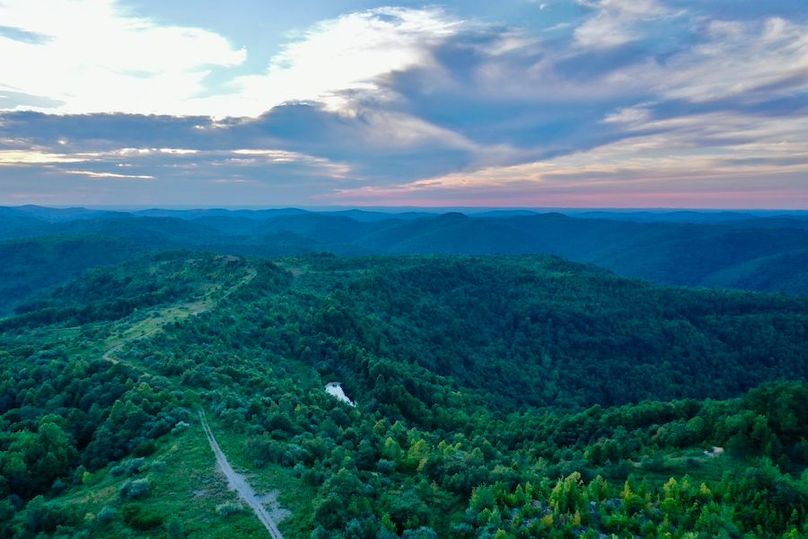
How to read this page
Every claim on this site falls into one of three time horizons. We want you to hold all three in your head at once before you read any further.
- 1
True today.
The land, the LOI, the entity, the counsel, the first conversations with operators and builders. Verifiable now.
- 2
Phase 1 reality.
The first fifty residents, the first five zones, the first working version of the loop described below. Small, manual, honest, real.
- 3
Full scale.
5,040 zones, a continuous festival calendar, automated baseline life, the engine running at full temperature.
We take the third category seriously. It is what we are building toward, and the whole design of the city is bent around making it real. But we do not want anyone arriving in Phase 1 expecting category three and finding category two. The people we most want are the ones who see the gap between the first two categories and the third — and who want to help close it.
The shortest version.
The city is a civilization engine. It gathers what its residents actually want — to build, to learn, to make, to experience, to become — maps what those things depend on, and organizes daily life into missions, teams, enterprises, apprenticeships, contests, and festivals that make them real.
That is the whole product. Everything else on this site is either the land that makes it possible, the people who make it real, or the philosophical tradition that tells us it will work.
Why cities need an engine.
Modern cities are not coordinated. They are accidents of commerce, traffic, and real estate. What people actually want — to build good things, to learn real skills, to do meaningful work, to eat well, to see their friends, to raise their children well — gets scattered across a hundred disconnected transactions, each of which the individual has to fight for alone.
The result is that most of modern life is spent practicing secondary arts: the art of taxes, the art of commuting, the art of bureaucracy, the art of insurance, the art of isolating yourself enough to get any real work done. Nobody moves to a city because they want to be good at those things. They want to be good at their real craft, their real relationships, and their real lives.
A city that coordinates the secondary arts on its residents’ behalf, so they can spend their time on the things that actually make a life worth living, is not a luxury. It is what cities were supposed to be the first time, and have stopped being.
The twelve domains.
Everything the city coordinates falls into twelve domains of life. Each domain contains zones, enterprises, apprenticeships, and its own festival cycle. Together, they cover the full surface area of what a civilization actually needs to run.
Home / Hospitality
Housing, shared meals, guest hosting
Governance / Law
Rules, councils, dispute resolution
Making / Manufacturing
Workshops, forges, fabrication
Education / Truth
Schools, apprenticeships, research
Youth / Athletics
Training, sport, physical culture
Trade / Communication
Markets, logistics, messaging
Energy / Fire
Power, heat, fuel systems
Defense / Training
Security, resilience, readiness
Beauty / Culture
Art, music, performance, ritual
Agriculture / Food
Farming, orchards, preservation
Water / Infrastructure
Plumbing, roads, civil systems
Mining / Recycling / Transformation
Materials, waste, circular economy
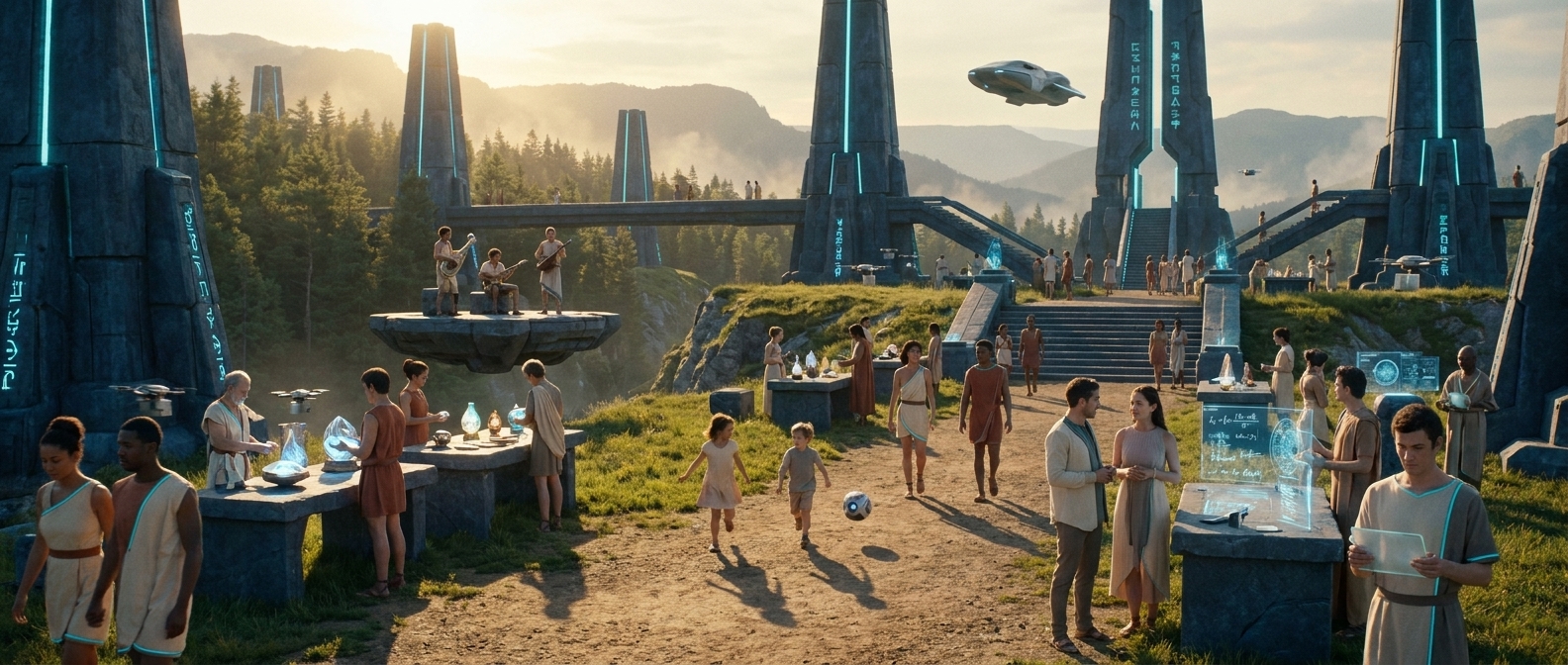
No single domain runs in isolation. A bakery (Home / Hospitality) depends on grain (Agriculture / Food), power (Energy / Fire), and apprentices (Education / Truth). The engine’s job is to make those dependencies visible and keep them fed.
The loop.
At the heart of The Living City is one loop. The same loop runs at every scale, from a single person making their day to the whole city planning its year.
Wants
Every resident and every zone contributes what they actually care about — the things they want to build, the skills they want to learn, the problems they want to solve, the experiences they want to have. These are specific, concrete wants, gathered continuously and kept visible.
The shared list
All of those wants go into one shared, open list. Some are small and can happen today. Some are large and depend on other things existing first. Some overlap with what other people want and can be pursued together. The list is visible, updated, and honestly prioritized.
The dependency map
Most of what people want depends on something else existing first. You cannot have a good bakery without good flour. You cannot have good flour without a mill. You cannot have a mill without a craftsman, a power source, and a building. The city keeps these dependencies visible.
Missions, teams, and zones
The dependency map translates into real work: missions with clear goals, teams of residents and operators who want to do them, and — over time — zones that take on recurring pieces of the work permanently.
Contests and festivals
Important work is celebrated. Contests reward the best solutions to open problems in each domain. Festivals honor completed work, mark the passage of seasons, and give the city a rhythm. Both are how the city tells itself what it values.
New capability
When work is completed, the city has a new capability, and the shared list changes. Some wants are satisfied. Others become possible for the first time. New wants arrive. The loop runs again.
That is the whole mechanism. Everything else is detail.
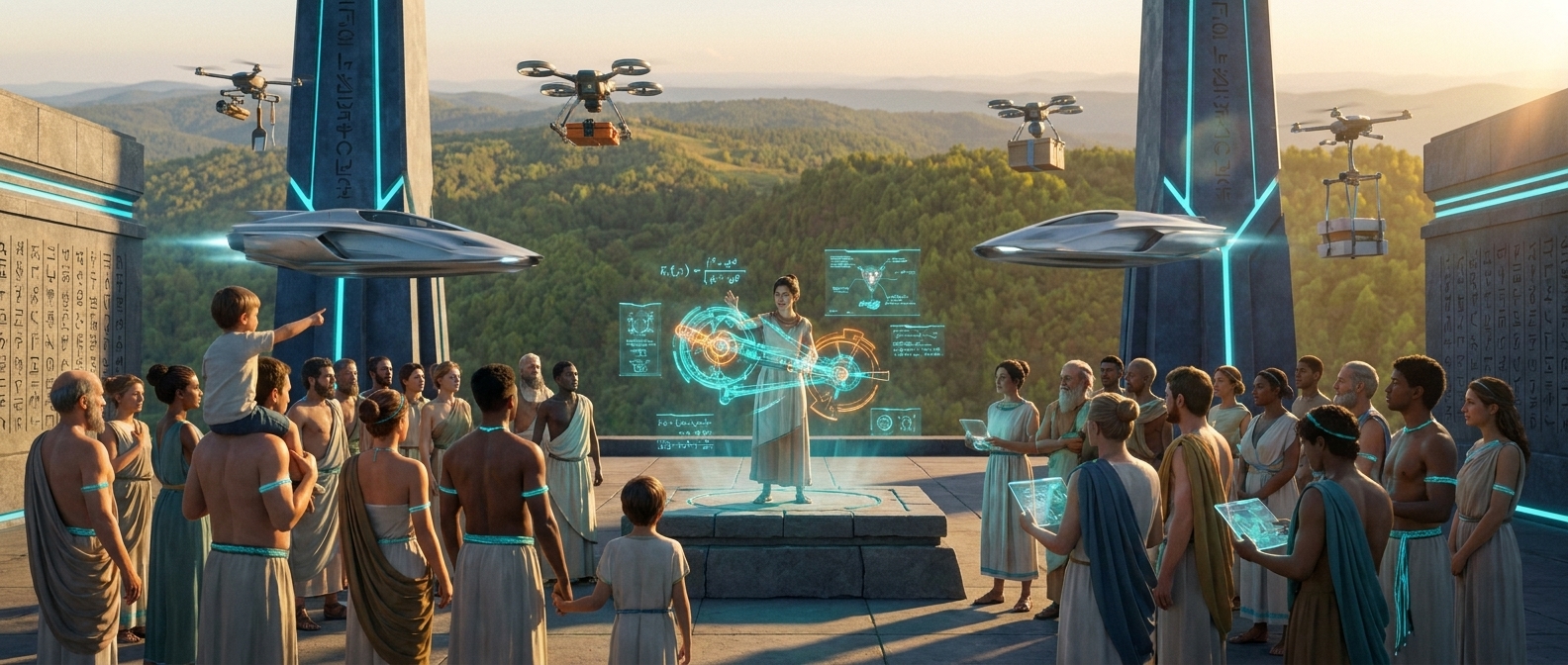
Category 2 · Phase 1 reality
What Phase 1 actually feels like.
Phase 1 is roughly fifty residents, five founding zones, and the first honest version of the coordination engine above.
- •Shared meals. Eating together is the default, not the exception. The kitchen is the first zone that comes online.
- •Daily work. Morning blocks inside your zone or track, crew-based projects across zones in the afternoon, apprenticeship under practitioners, evening gatherings, rest when you need it.
- •The visible list. Maintained openly from day one. Small at first — dozens of items, not thousands. Growing as more residents arrive and contribute.
- •Missions.A handful per week, coordinated in person. No software required to make the loop work at this scale — fifty people and a whiteboard is enough.
- •Contests.Weekly. Simple at first — who builds the best version of the thing the city needs next.
- •Festivals.Seasonal in Phase 1, not daily. Early festivals mark real milestones — first harvest, first completed structure, first cohort graduation, first new zone coming online.
- •Automation.Almost none. In Phase 1 the engine runs on people paying attention to each other, and on the honest practice of the loop.
This is the first working version of the city. It is not the finished city. People who arrive in Phase 1 are not arriving atthe vision — they are the ones who make the vision possible.
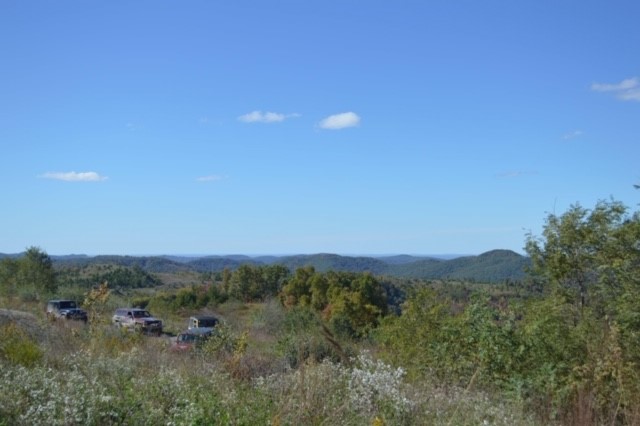
Category 3 · Full-scale vision
What the full city becomes.
Fifty thousand people. 5,040 zones. Twelve domains of life running on a year-round calendar. Hundreds of contests and festivals across the city, every day, in every season. A living core that is continuously learning what its citizens care about, which technologies would unlock the next layer of possibility, which enterprises need to exist, which teams should meet, which places should come alive tonight, and which experiences would deepen friendship, strength, wisdom, beauty, health, courage, and wealth.
At that scale, the city starts to feel less like real estate and more like a civilization with a nervous system.
The long arc is simple: take more of life off people’s backs. The recommendation engines that currently optimize your feed get repurposed to optimize your world. The dependency trees that currently live inside software projects get expanded to cover factories, schools, kitchens, transit, rituals, performances, prototypes, and entire domains of life. The machinery of ordinary existence — logistics, admin, matching, scheduling, coordination, domestic drag — gets progressively automated away. What fills the hours instead are mixed goods: the kinds of work, relationships, and experiences that are good now and make the future better at the same time.
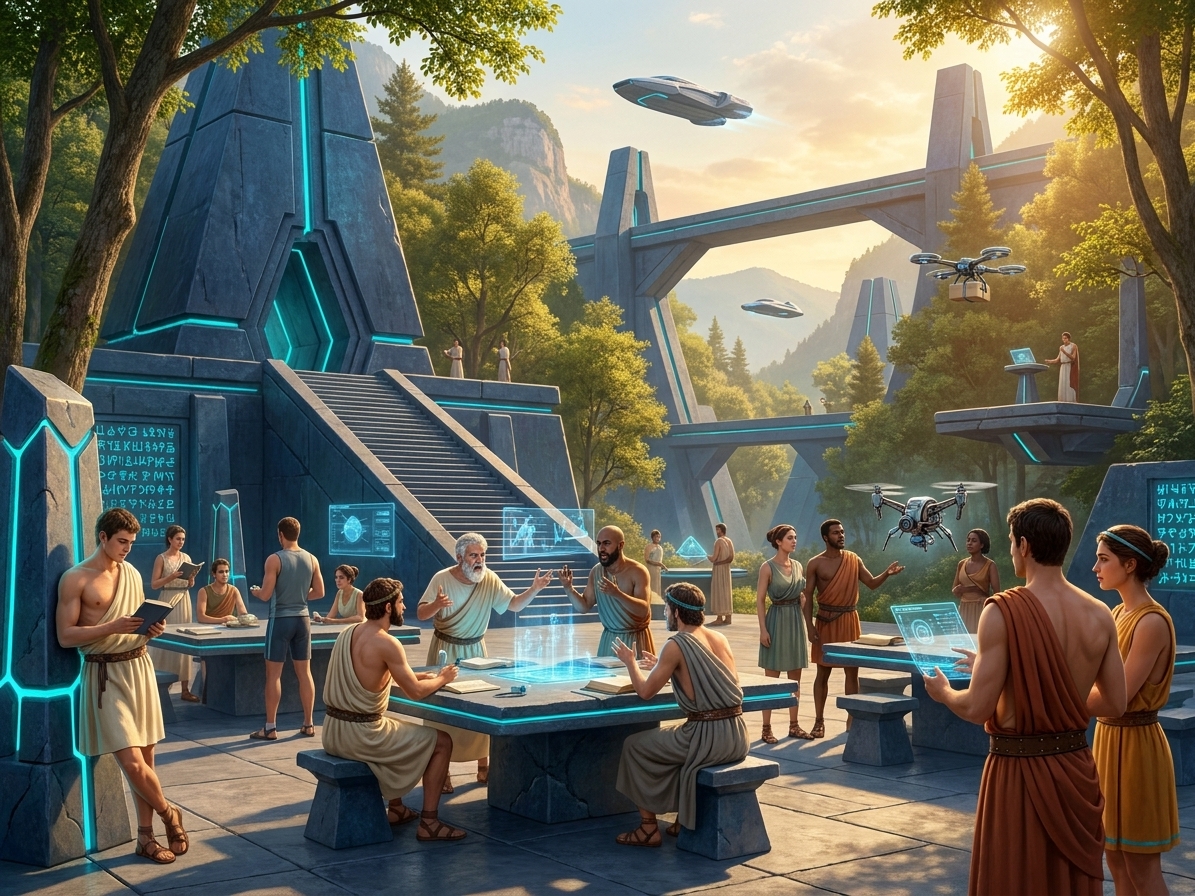
A city that is constantly redesigning its locations, calendars, teams, and resource flows so that the best day of your life stops feeling rare and starts feeling structural.
What the AI core is.
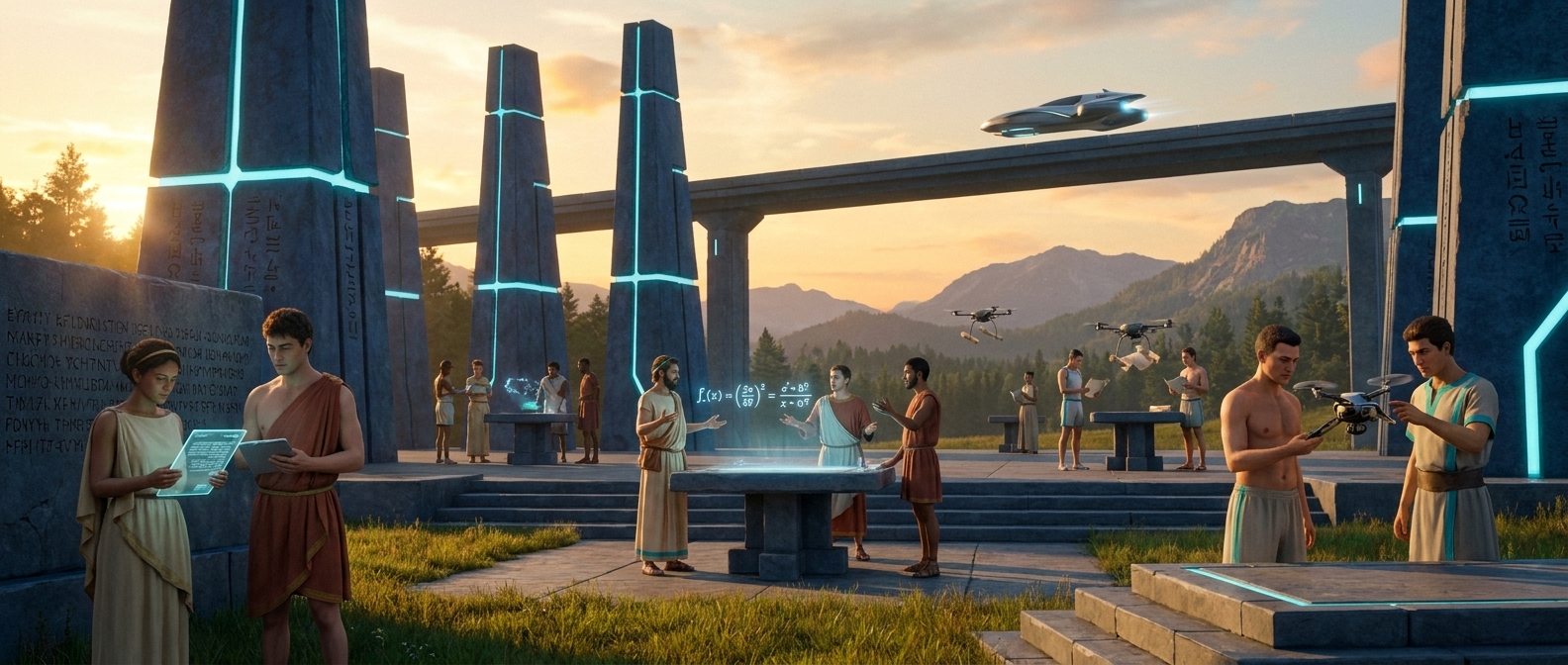
The AI is a coordination layer, not a ruler. It does not tell people what to want. It takes what people already want, maps the dependencies, finds the overlaps, and suggests the fastest path to making those things real.
Think of it as the nervous system, not the brain. The residents are the brain. The AI keeps the signals moving — matching people to missions, surfacing what the shared list needs next, scheduling contests, routing resources between zones, and progressively automating the secondary arts so that human attention stays on the things that actually require it.
In Phase 1 the AI barely exists. The loop runs on whiteboards, shared documents, and daily standups. The software grows into the coordination role as the city grows into the complexity that demands it. We do not ship the AI and hope the city follows. We ship the city and let the AI catch up.
Why this is different.
Other new-city projects are either land plays dressed up in vision, or vision plays with no land. We have both. And we are clear that the engine — not the land — is the product.
The land is the substrate. The financing is the runway. The founding cohort is the first team. The engine is what we are actually trying to ship. The reason the land matters is that you cannot run the engine on a rendering. The reason the engine matters is that land without coordination is just real estate.
Choose your door.
If the loop on this page describes something you want to be part of, the next step is to pick an entry point.
Or, if you want to go deeper into the philosophy underneath the engine — Plato, Vitruvius, Mondragón, the why behind the how — start with the Blueprint.