I am going to tell you the truth about this project.
A letter from the founder
I am not building a harder life for the sake of hardness.
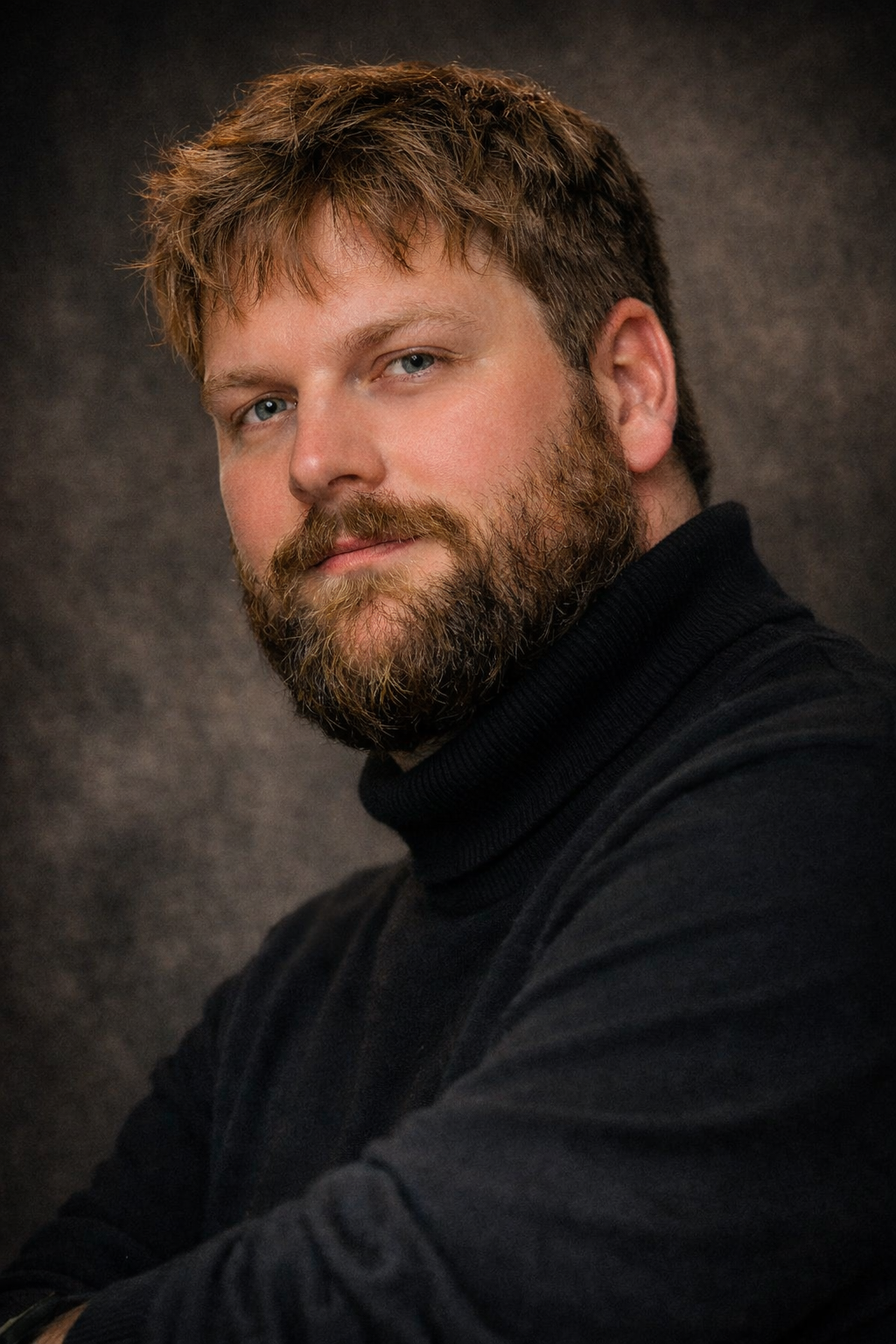
My name is Alexander Argeadai. I founded Build Civilization, and I am building this city.
I am building a place where the ordinary things — eating, working, learning, making, celebrating — are organized well enough that they stop being background noise and start being the point. A place where you do not have to fight the city to live the life you actually want.
I am trying to bring back an old civic technology.
Modern cities feel lifeless in the way that matters most: they do not actively help us become anything. They contain life. They do not shape it well. They do not learn what their people care about. They do not organize work and celebration together. They do not build the right teams at the right time. They do not carry the weight of ordinary life so that people can spend more of their time inside the things that actually matter.
I want to build a city that does.
That idea did not come to me from nowhere. It came from years of fighting distraction to think. Fighting bureaucracy to build. Fighting the pull to do something easier, something that would look better on a slide deck, something that would raise faster or explain in one sentence.
When you read Plato’s Republic and Lawsas design documents, not abstract philosophy, the old city — the forgotten grammar of how to organize life well together — stops looking like metaphor and starts looking like a build problem. A hard one. A solvable one. Plato reads the city as the soul in larger letters. I want to build a city that earns that reading.
So I started with what I could build, and went looking for land.
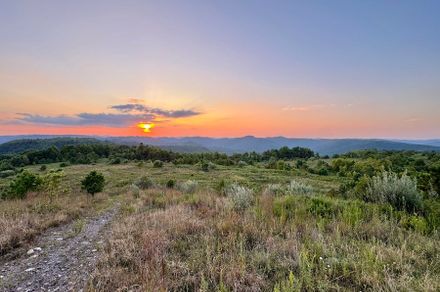
What we have now: a company that has shipped two products, a learner that keeps learning after it ships and an app where people form crews and take on missions. A deal in negotiation for about 15,491 acres in Tennessee, land a mining company stripped that has grown back for twenty years, with real silica, coal and gas under it. A written plan for financing it through Tennessee’s utility district law and public programs. And the first people who want to help.
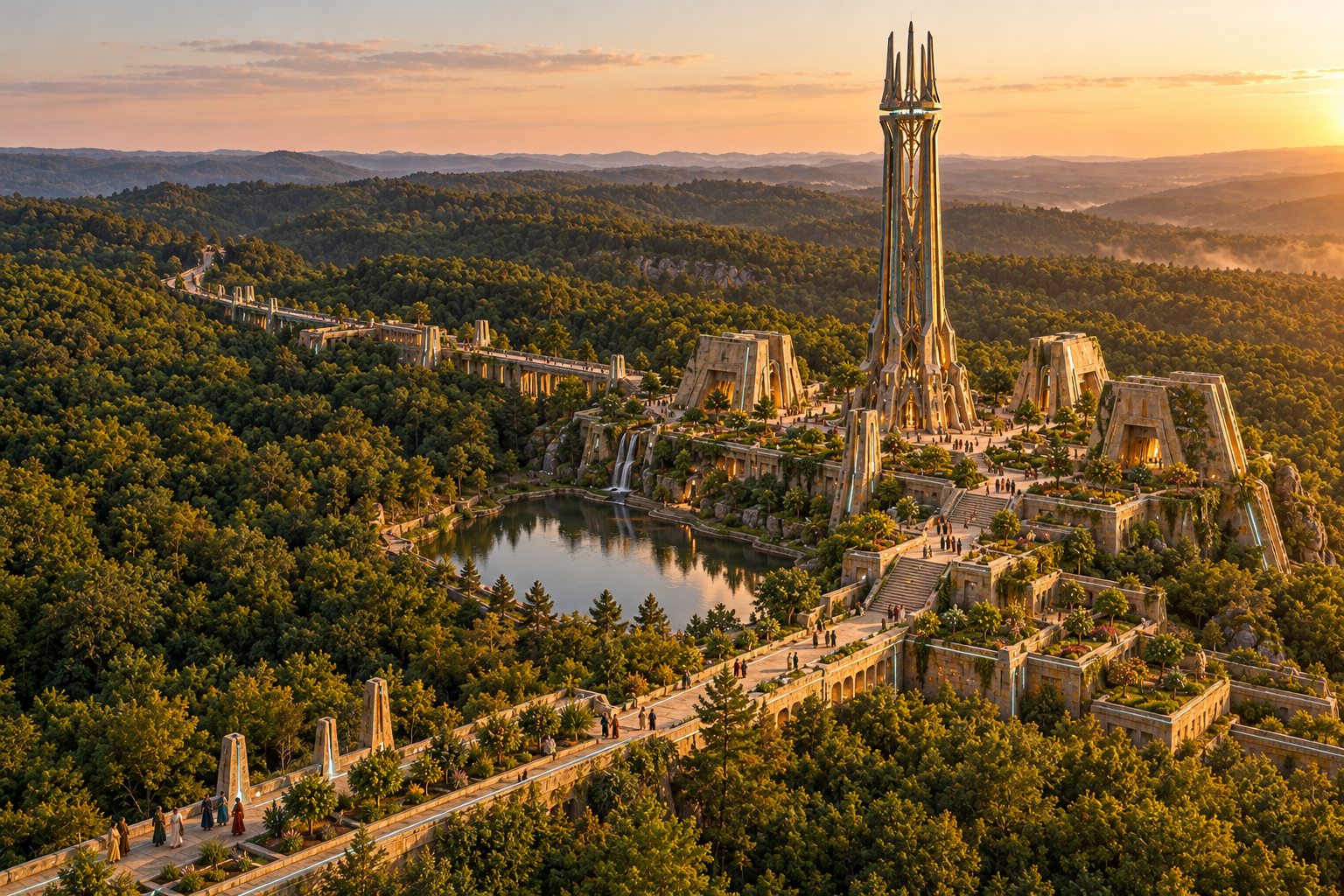
What I am building is not a commune, not a resort, not a campus, not a brand. It is a city with a soul: a city that takes what its people want and keeps working to turn those wants into technologies, industries, rituals, teams, experiences and ways of life. Built the way good software is: tested, and made better.
If this works, the city stops feeling like background. It starts feeling awake.
That is the scale of the vision. And because the vision is that large, I want to be honest about the early years.
Phase 1 is small. Fifty people. Five zones. The first working loop. Shared meals. Daily work. Weekly contests. Seasonal festivals. Very little automation. Very little polish. A city just beginning to become itself.
If you come early, you are not arriving at the finished world. You are one of the people who help make it exist.
That means it will be hard. I will make mistakes. I have already made mistakes. I spent too long building alone when I should have been recruiting. I spent too long in the philosophy when I should have been closing the land. I wrote a very long specification before I had a team to read it. I know what that looks like from the outside, and I am not going to pretend otherwise.
But there is a difference between mistakes made in the air and mistakes made on the ground. This project has ground. The land is real. The resources are real, and so is the work they need. The software is shipping. The people are starting to arrive.
Things will slip. Some things we believe will turn out to be wrong and will need to be rebuilt. That is not me being theatrical. That is the cost of genuinely new work.
Everyone who is here gets real work, real terms, and a real seat at the table.
I am not asking anyone to take this on faith. I am asking you to look at the land, look at the numbers, look at the specification, look at the terms — and decide whether this is the kind of thing you want to help build.
If you want to help found the first age of this city, I want to hear from you.
— Alexander Argeadai
mars@buildcivilization.com